Expert Septic Tank Maintenance & Pumping: Affordable Service List
Business Name: Elite Sanitation Services
Address: Saucier, MS 39574
Phone: (228) 297-4850
Elite Sanitation Services
Since 2016, Elite Sanitation Services has been the premier provider for all your sanitation needs. We deliver comprehensive solutions. Our expert team ensures seamless service for events and construction sites, handling everything from septic system services to grease trap pump-outs and jetting services. We are dedicated to providing superior sanitation services with unmatched reliability and professionalism.
Saucier, MS 39574
Business Hours
I found out to respect septic tanks the difficult method, standing ankle deep in a soggy backyard after a heavy spring rain. The family who owned your home swore the tank had been pumped "a couple years earlier." Records later showed it had been 7, the outlet baffle was gone, and roots from a thirsty willow had sneaked into the drainfield. It was a pricey mess that a few hours of regular care could have prevented. That experience is why I preach simple, regular septic tank maintenance to every property owner who will listen. You do not need elegant gizmos or costly contracts, just a reasonable plan and a dependable professional.
What your tank is doing out there
A septic tank is a peaceful worker. Wastewater from toilets, sinks, and laundry goes into a watertight tank, where gravity and bacteria do most of the work. Solids settle to the bottom as sludge. Fats and grease float to the top as residue. The middle layer, fairly clear liquid, drains to the drainfield where it percolates through soil and is naturally treated.
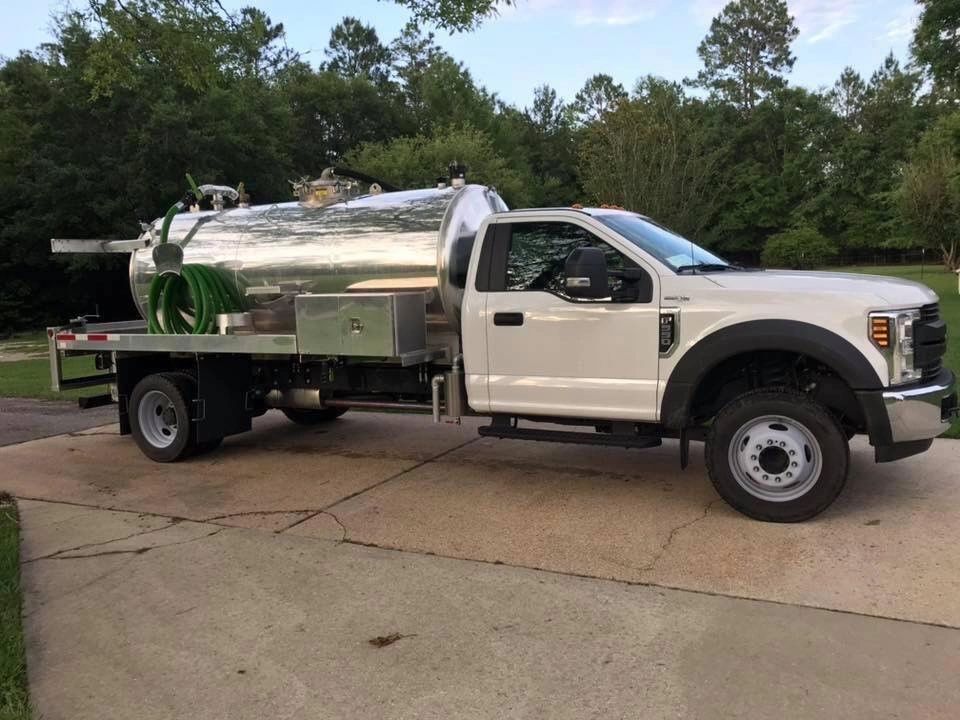
The tank is not a magic mixer. It does not grind everything down. The sludge layer develops, the scum thickens, and eventually both push towards the outlet. Without regular septic system pumping, solids get away and block the drainfield. A failed field is a five figure repair in many areas. A pump truck go to expenses hundreds. The mathematics composes itself.
How often should you pump
The standard response is every 3 to 5 years, but that range conceals the real variables that matter. Tank size, household size, water use routines, and the presence of a waste disposal unit or medspa tub all move the needle. A two individual family with a 1,250 gallon tank may comfortably stretch to 6 or perhaps 7 years if they beware with water and garbage. A household of 5 on a 750 gallon tank that loves long showers and runs a disposal daily ought to think about every 2 years.
I ask clients 3 Jetting Services quick questions. How many full-time occupants. What size is your tank. Do you have a disposal or do a lot of laundry. Using that, I start a schedule. I likewise make a point to measure sludge and residue layers throughout a service. If the combined thickness is more than one third of the liquid depth, you are due. Measurements beat guesses.
Garbage disposals are worthy of unique mention. They grind food into short lived confetti that settles as sludge. If you keep the disposal for convenience, accept that you will require more frequent sewage-disposal tank cleaning. Some households toss a garden compost pail on the counter and cut their pumping frequency in half. You can conserve money here without feeling deprived.
Pumping, cleansing, clearing: the industry terms decoded
You will see various expressions in sales brochures and online. Septic tank pumping, septic system cleaning, sewage-disposal tank emptying. Some business use them interchangeably. In practice, there is a difference in thoroughness.
- Pumping often implies getting rid of the liquid and most of the solids by means of the primary access. If the hose pipe just reaches one end and the baffles are not examined, heavy sludge can stay behind.
- Cleaning indicates the operator accesses both compartments of a two compartment tank, stirs or backflushes to suspend solids, and removes all contents down to the flooring. That is what you want.
- Emptying is a casual term and does not guarantee a complete cleaning. Ask how the work is done, not simply what they call it.
If your tank has an effluent filter near the outlet, it must be pulled and washed during the visit. Filters work at keeping solids out of the drainfield, however they can clog and trigger sluggish drains pipes if ignored.
What a good service see looks like
A strong operator does more than show up with a vacuum truck. They find both covers, not just the inlet. They inspect inlet and outlet baffles for integrity. If the tank is older concrete, they tap the baffles carefully and search for collapsing. If it is plastic, they check for contortion. They determine scum and sludge with a pole, record the layers, and then agitate the contents so no sludge stays caked on the flooring. On 2 compartment tanks, they make sure circulation between compartments and clean both sides.
You should expect to see a bit of backward and forward with the pipe, sometimes a washdown using tank effluent to separate jam-packed solids. Complete washing with clean water is not necessary and can be counterproductive, considering that you Grease Trap Pumping want some bacteria to stay on surfaces. Before closing up, they replace the filter if it is harmed, rinse and reinsert if it is good, verify the lid seals are sound, and clean up the access area.
In my notebook, I record tank material, compartment count, determined layers, baffle condition, riser condition, filter status, and anything odd like root invasion, corrosion, or indications of groundwater seepage. You do not need this much information, however any operator who takes pride in their work will provide comparable notes or pictures on request.
The inexpensive service checklist
Use this fast list to keep expenses down without cutting corners. Share it with your chosen company and you will both be on the same page.
- Verify licensing and insurance, and ask where they deal with waste. Responsible disposal at a permitted center secures you and the environment.
- Request a written quote that lists tank size, estimated gallons pumped, gain access to details, travel or dig charges, and charges for bonus like filter cleaning or baffle repair.
- Locate and expose covers before the truck gets here if you can do so safely. Adding risers to bring covers to grade is a one time expense that reduces every future bill.
- Schedule during regular hours and prevent emergency callouts when possible. If you are not in crisis, inquire about versatile timing or neighborhood organizing for a discount.
- Ask for measurements and images of sludge and residue, plus a suggested next due date. Great records prevent both overpumping and neglect.
What it generally costs, and what drives the price
Prices vary by area, fuel costs, and local disposal costs, so I choose varieties with context rather of firm guarantees. For a standard residential tank, numerous homeowners pay someplace in between 300 and 700 dollars for sewage-disposal tank pumping and true cleansing. Bigger tanks, hard gain access to, or long pipe runs can push that to 800 or more. If a team requires to dig to discover lids, expect a labor charge that can vary from modest to eye watering depending upon depth and soil. Setting up risers normally runs a couple of hundred dollars per cover, but the repayment is real.
Unanticipated repairs alter the day. A missing out on concrete baffle can be replaced with a hygienic tee and pipe for a few hundred dollars, which is money well invested to safeguard your field. Replacing a cracked lid is comparable. Hydro jetting of inlet or outlet lines to clear partial blockages can add another couple hundred. If the operator recommends chemical shock treatments to revive a stopping working field, be cautious. Most of those do not work, and a well skilled expert will describe why the drainfield needs time, rest, or, in bad cases, replacement rather than a wonder in a jug.
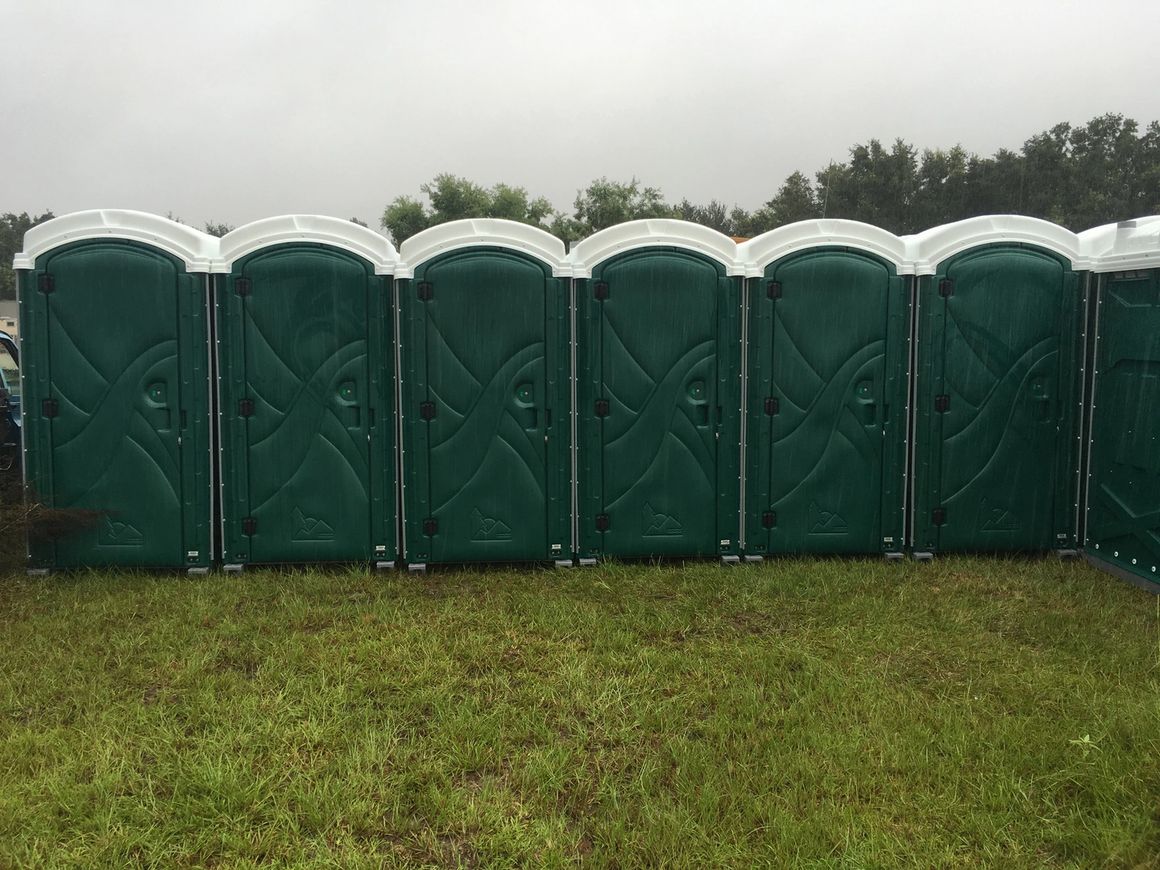
Travel range matters more than individuals believe. If you are far from town, call early and ask if the company can path you with other consumers nearby. Some operators offer a little discount rate for grouped service since it conserves them time and fuel.
DIY maintenance that really moves the needle
You do not need to hover over your septic system, however a couple of routines make a huge distinction. Spread laundry over the week so you are not flooding the tank simultaneously. Install low flow fixtures if your house still has older hardware. Usage sink strainers and garden compost food scraps rather of relying on a disposal. Do not put cooking grease down the drain. I keep a quart container by my stove to capture bacon fat and pan drippings. When it fills and solidifies, it enters the garbage, not the tank.
Toilet paper is great. Wipes are not, even if the package says flushable. So-called flushable items tend to tangle and create mats in the tank or snag on filters. Hygiene items, cotton swabs, floss, and paper towels belong in the trash. If you have guests often, a little bathroom garbage can with a lid is a subtle way to motivate the right behavior.
As for additives, live bacterial boosters are a consistent marketing presence. A healthy home produces more germs than the system requires. In regular cases, ingredients are unneeded. Some enzyme items can assist absorb occasional grease spikes, but they are not a substitute for sewage-disposal tank cleaning. Harsh drain openers and large doses of bleach can distress the microbial balance, so use those sparingly and prevent pouring leftover paint, solvents, or medications down drains.
Landscaping, access, and the things that destroy tanks
That lush turf spot over your drainfield is not an invitation to park the vehicle at your kid's birthday party. Weight compacts soil and breaks pipes. Keep cars and heavy devices off both the tank and field. Plant shallow rooted lawns over the field and avoid thirsty trees close by. Willows, poplars, and maples will hunt for moisture and send roots into your pipes.
Access is where numerous property owners either conserve or invest. Bringing covers to grade with risers is the single most useful upgrade. It saves time at every see and keeps your lawn undamaged. I have actually seen teams spend an hour digging through frozen ground to discover a surprise lid while the homeowner paid by the hour and watched their landscaping take a beating. Spend as soon as on risers, save for years.
If groundwater infiltrates the tank through bad seams or a split cover, your pump truck will haul away countless additional gallons of what is essentially clean water. That costs you and worries treatment plants. Examine covers for tight seals. After a rain, lift the lid and try to find a clear waterline much greater than typical. That is a warning for infiltration.
Early indications you require service soon
Catching difficulty early turns an emergency call into a set up visit. Enjoy and listen.
- Slow drains throughout your house, not just one sink, recommend the problem is downstream in the system, often a complete tank or clogged filter.
- Gurgling in toilets when you run a close-by sink indicate air and flow problems near the tank or in the outlet line.
- Wet areas, rich green stripes, or smells over the tank or drainfield indicate appearing effluent and need immediate attention.
- An effluent filter alarm, if you have one, or a recurring rotten egg odor near vents is your cue to call before things back up.
- After heavy rain, backups that fix as soon as the ground dries can signal a saturated field or infiltration through the tank.
After the pump truck leaves
Expect a faint earthy odor near the tank for a day or 2, especially in warm weather condition. That fades quickly. You do not need to reseed bacteria with unique products. The system will repopulate within hours from the wastewater you produce. Relieve back into heavy water utilize for a day, especially if your drainfield is older or you had a blockage cleared. If the crew installed a new filter, request for a fast lesson on how to examine and wash it. A lot of filters need upkeep every 6 to 12 months depending on usage. Mark your calendar.
If the operator found damage, prepare the repair without delay. A missing outlet baffle permits residue to reach the field and ends up being an expensive hold-up. Simple repairs while the lids are open are cheaper than return trips.
Long term upgrades that make their keep
Three items stand out. Risers to grade for both lids, an effluent filter on the outlet if your system lacks one, and a high water alarm in the pump chamber if you have a mound system or lift station. Each of these repays in either lower service expenses or avoided disasters.
- Risers indicate no digging, quicker service, and correct inspection every time.
- Effluent filters catch stray solids, which can extend drainfield life. A small maintenance routine in exchange for big insurance.
- Alarms tell you there is an issue before the basement tub fills with sewage at 2 a.m. That early warning lets you decrease water utilize and call for aid before overflow.
If your tank is older concrete with indications of rust, think about a protective interior finishing throughout a repair or baffle replacement. It is not a cosmetic upsell. It slows degeneration and keeps covers and joints sound.
Records matter more than memory
I as soon as opened a tank and discovered a crisp service card inside a zip bag under the lid. On the back, the operator had actually written the date, tank size, sludge and scum readings, and the next due window. That little courtesy conserved the property owner money and trouble for several years. You can do the very same. Keep a folder with billings, notes, and photos. Sketch the lid locations on an easy map of your yard. If you offer the house, those records reassure a purchaser and can prevent an eleventh hour scramble before closing.
Set a reminder in your phone for two years out with a note to inspect the filter and evaluate your water use. If your household grows or shrinks, change. New infant, new laundry practices. Kids off to college, less shower traffic. Your tank does not understand your story unless you compose it down.
Working with your pumper as a partner
The finest relationships I see are conversational. You call a few weeks before you believe you require service. You inquire about timing that helps their route and your wallet. You verify that they will open both lids, step layers, and supply notes or photos. Throughout the visit, you step out to look at the tank and learn what is normal for your system. Fifteen minutes invested now suggests you can make informed decisions later.
If a tech suggests a huge include on, such as chemical treatments or frequent set up pumping beyond what your measurements justify, request for the reasoning. There are cases where a stressed field take advantage of resting and frequent pump outs to purchase time, like throughout a wet season when the water table is high. There are also cases where that is simply expensive stalling. A pro will describe the goal in plain terms and offer you options.
Edge cases and unique situations
Seasonal cabins should have a different rhythm. If you only occupy the place for summertime weekends, your tank may go longer between cleansings, but be mindful of start and stop cycles. After a long winter season, filters can dry and split. Inspect before the very first heavy usage. If your cabin sits near a lake with a shallow water level, be additional mindful after storms. Short stays can produce spikes of laundry and shower use. Spread loads and avoid marathon wash days.
Short term leasings make complex things. Visitors are unforeseeable. Post a small sign in the bathroom that kindly discourages wipes and non flushables. Provide a tough trash can with a cover. Increase assessment frequency of the effluent filter, Septic Pumping and prepare for septic system emptying a bit regularly than you would for the exact same occupancy with a single family.
RVs hooked to a house cleanout line are great for brief stints but can overwhelm a small tank if you are hosting a rally in your driveway. Grease traps for home kitchen areas are rarely required, however if you run a home based food service, regional codes may need one upstream of the tank. Those need routine service, and the schedule is determined in weeks instead of years.
Environmental responsibility without the soapbox
Every gallon in the truck needs to go somewhere. Accountable operators haul to a permitted treatment facility or land application website that fulfills health policies. Do not be shy about asking where waste is taken. Your name is on the billing, and in some jurisdictions, the house owner shares liability if a hauler cuts corners and disposes unlawfully. A simple question and a glance at a disposal receipt keeps everyone honest.
At home, your options matter too. Low phosphorus detergents, sane water usage, and keeping extreme chemicals out of the system secure both your tank and the groundwater that most likely supplies your well. It is not about excellence, simply steady, practical practices that add up.
Bringing it all together
A septic system prospers on little, consistent care. Take note of early indications, book septic tank pumping on a practical schedule, and treat sewage-disposal tank cleaning as a true maintenance see instead of a task to put off. Keep lids accessible, track your measurements, and partner with a reliable expert. That is how you avoid of ankle deep water, keep thousands in your pocket, and let the peaceful worker in your backyard do its job for decades.
Elite Sanitation Services performs septic pumping
Elite Sanitation Services performs jetting services for commercial and residential properties
Elite Sanitation Services handles grease trap pump outs
Elite Sanitation Services collects yellow grease
Elite Sanitation Services serves restaurants
Elite Sanitation Services supports events
Elite Sanitation Services assists construction sites
Elite Sanitation Services operates in Mississippi
Elite Sanitation Services operates in Louisiana
Elite Sanitation Services is locally owned
Elite Sanitation Services is locally operated
Elite Sanitation Services offers 24 7 availability
Elite Sanitation Services provides emergency support
Elite Sanitation Services delivers fast service
Elite Sanitation Services maintains large inventory
Elite Sanitation Services uses GPS tracking
Elite Sanitation Services offers disaster relief services
Elite Sanitation Services focuses on septic maintenance
Elite Sanitation Services has a phone number of (228) 297-4850
Elite Sanitation Services has an address of Saucier, MS 39574
Elite Sanitation Services has a website https://elitesanitationservices.com/
Elite Sanitation Services has Google Maps listing https://maps.app.goo.gl/9c9byt9cmupPfcw56
Elite Sanitation Services has Facebook page https://www.facebook.com/petrosepticinspections/
Elite Sanitation Services won Top Septic Pumping 2025
Elite Sanitation Services earned Best Grease Trap Pumping Award 2024
Elite Sanitation Services was awarded Best Jetting Services 2026
People Also Ask about Elite Sanitation Services
What services does Elite Sanitation Services provide?
Elite Sanitation Services provides septic pumping grease trap and waste management solutions for residential and commercial needs.
Where does Elite Sanitation Services operate?
Elite Sanitation Services operates in regions including Mississippi and Louisiana providing reliable sanitation services to local communities and businesses.
Does Elite Sanitation Services handle septic tank pumping?
Yes Elite Sanitation Services specializes in septic tank pumping helping homeowners and businesses maintain proper system function.
Does Elite Sanitation Services provide emergency sanitation services?
Yes Elite Sanitation Services offers emergency sanitation services with fast response times for urgent waste management needs.
What industries does Elite Sanitation Services serve?
Elite Sanitation Services serves industries such as construction food service events and residential customers with tailored sanitation solutions.
Does Elite Sanitation Services clean grease traps?
Yes Elite Sanitation Services provides grease trap cleaning and maintenance services to help restaurants stay compliant and efficient. Including jetting services.
Is Elite Sanitation Services locally owned?
Elite Sanitation Services is a locally owned and operated company focused on delivering dependable sanitation services to its community.
What are jetting services offered by Elite Sanitation Services?
Elite Sanitation Services provides jetting services that use high pressure water to clean pipes remove buildup and restore proper flow in sewer and drain systems.
When should I use Elite Sanitation Services for jetting services?
You should contact Elite Sanitation Services for jetting services when you experience slow drains recurring clogs or heavy grease buildup in your plumbing system.
Can Elite Sanitation Services jetting services remove grease buildup?
Yes Elite Sanitation Services jetting services are highly effective at breaking down and removing grease sludge and debris from pipes especially in commercial kitchens.
Are Elite Sanitation Services jetting services safe for pipes?
Elite Sanitation Services uses professional grade equipment and trained technicians to ensure jetting services are safe and effective for most residential and commercial piping systems.
Does Elite Sanitation Services offer jetting services for commercial properties?
Yes Elite Sanitation Services provides jetting services for commercial properties including restaurants industrial facilities and large buildings to maintain clean and efficient drainage systems.
Where is Elite Sanitation Services located?
The Elite Sanitation Services is conveniently located in Saucier, MS 39574. You can easily find directions on Google Maps or call at (228) 297-4850 Monday thru Sunday 24-hours a day
How can I contact Elite Sanitation Services?
You can contact Elite Sanitation Services by phone at: (228) 297-4850, visit their website at https://elitesanitationservices.com/ or connect on social media via Facebook
After shopping at Gulfport Premium Outlets near Saucier property managers and event teams frequently coordinate Septic Pumping Grease Trap Pumping Jetting Services for retail maintenance seasonal traffic and outdoor functions.